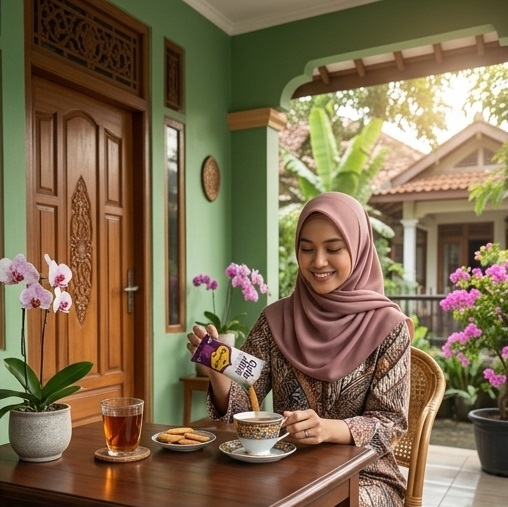
The Secret to Health & Youthfulness Unveiling the Magic of Butterfly Pea Flower Tea
Subtitle: A Comprehensive Guide to the Anti-Aging, Cognitive, and Antioxidant Power of Nature's Sapphire Brew
In recent years, a striking cobalt-blue beverage has taken the global wellness community by storm. Derived from the vibrant petals of Clitoria ternatea—commonly known as the Butterfly Pea
Flower—this ancient botanical infusion is far more than an Instagram-worthy sensory spectacle. Long revered in traditional Ayurvedic and Asian medicinal systems, butterfly pea flower tea is
emerging as a potent natural remedy packed with therapeutic properties. From combating premature cellular aging to enhancing cognitive functions, the secrets hidden within this enchanting
blue tea offer a holistic path to longevity and vitality.
1. The Science Behind the Sapphire Tint: High-Density Antioxidants
The signature vivid shade of butterfly pea tea comes from its exceptionally high concentration of anthocyanins, specifically a unique class known as ternatins. Ternatins are powerful
polyphenolic compounds that provide robust defense against oxidative stress.
Every day, environmental pollutants, UV radiation, and metabolic byproducts generate free radicals in the body. Unchecked, these unstable molecules induce oxidative damage, accelerating
cellular senescence and triggering systemic inflammation. The ternatins and bioflavonoids present in butterfly pea tea systematically neutralize free radicals, safeguarding cellular DNA and
preserving systemic homeostasis.
Key Phytonutrients in Butterfly Pea Flower:
Ternatins: Anti-inflammatory anthocyanins responsible for the deep blue pigment and potent antioxidant activity.
Quercetin: A vital flavonoid that boosts immunity, supports cardiovascular health, and fights inflammation.
Myricetin: A compound known to inhibit lipid peroxidation and support cellular integrity.
Kaempferol: A protective polyphenol with documented anti-cancer and anti-aging properties.
2. Reversing the Clock: Anti-Aging & Skin Radiance
One of the most celebrated qualities of butterfly pea tea is its remarkable capacity to promote youthful, radiant skin from within. Dermal aging is significantly driven by a biochemical process
called Advanced Glycation End-products (AGEs) formation, wherein excess sugar molecules bind to structural proteins like collagen and elastin, rendering them rigid and brittle.
Studies indicate that the active polyphenols in butterfly pea flower actively inhibit protein glycation, effectively preventing the structural breakdown of the skin matrix. Furthermore, the herb
stimulates internal collagen synthesis, boosting elasticity, reducing fine lines, and preserving skin hydration.
3. Brain Power & Nootropic Benefits: Enhancing Cognitive Function
In traditional Indian medicine (Ayurveda), butterfly pea flower is classified as a Medhya Rasayana—a brain-rejuvenating herb. Modern neuropharmacology supports these historical claims,
highlighting its nootropic benefits:
Acetylcholine Elevation: Extracts of Clitoria ternatea have been shown to increase levels of acetylcholine, an essential neurotransmitter vital for memory encoding, focus, and verbal recall.
Neuroprotection: Antioxidants protect delicate brain cells from neuroinflammation and oxidative damage, reducing the risk of cognitive decline as we age.
Anxiolytic & Mood-Stabilizing Effects: The tea exerts a soothing effect on the central nervous system, helping to regulate stress response hormones (cortisol) and alleviate mild anxiety and
fatigue.
4. Metabolic Regulation & Blood Sugar Balance
Maintaining stable blood glucose levels is a fundamental pillar of metabolic health and longevity. Butterfly pea tea plays a valuable role in carbohydrate metabolism. Bioactive polyphenols in
the flowers inhibit intestinal enzymes such as alpha-glucosidase and alpha-amylase, slowing down the digestion and absorption of dietary sugars.
By blunting post-prandial glycemic spikes and improving insulin sensitivity, regular consumption of butterfly pea tea supports weight management efforts and helps protect against metabolic
disorders.
5. Ocular Health: Protecting Vision in the Digital Age
In an era dominated by screens, digital eye strain and macular degradation are increasingly prevalent. The high concentration of proanthocyanidins in butterfly pea flower increases blood
circulation through the delicate capillaries of the eyes. Improved microvascular blood flow delivers vital nutrients to retinal tissues, helping to relieve fatigue, enhance visual clarity, and
protect against degenerative eye conditions.
How to Brew the Perfect Butterfly Pea Tea & Experience the Color Magic
Preparing this herbal elixir is simple and visually captivating due to its natural pH sensitivity:
Steep: Place 5 to 7 dried butterfly pea flowers in a cup and pour 200 ml of boiling water (approx. 90°C–95°C).
Infuse: Allow the flowers to steep for 5 to 7 minutes until the liquid turns a rich, deep cobalt blue. Strain the flowers.
The Color Transformation: Add a fresh squeeze of lemon or lime juice. Watch the pH shift transform the brew from vibrant blue to a brilliant, royal purple!
Serving Suggestion: Enjoy warm, or serve chilled over ice with a touch of raw honey and fresh mint leaves for a refreshing summer tonic.
6. Precautions & Best Practices
Butterfly pea flower tea is caffeine-free, gentle on the stomach, and generally safe for daily consumption. Drinking 1 to 2 cups per day is an optimal regimen for enjoying its wellness benefits.
However, as with all potent botanicals, pregnant or lactating women and individuals taking anti-coagulant medications should consult their healthcare provider prior to incorporating high
concentrations of herbal extracts into their routine.