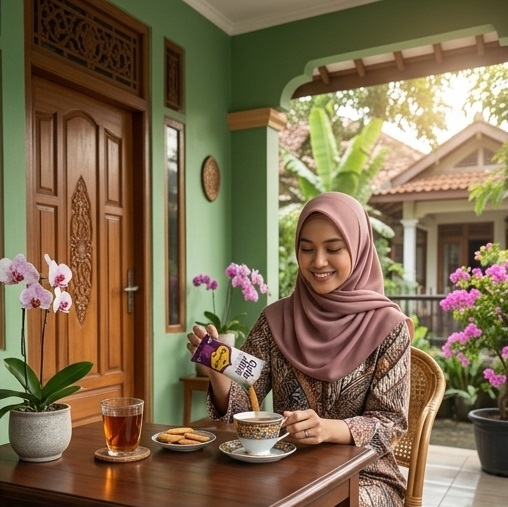
We have all experienced that uncomfortable, heavy, and tight sensation in the abdomen after a meal—commonly referred to as bloating and excessive fullness (kembung dan begah).
Whether caused by eating too quickly, consuming hard-to-digest foods, or an imbalance in gut microflora, abdominal distension can ruin your mood and leave you feeling sluggish for hours.
While over-the-counter antacids and anti-gas medications are common quick fixes, turning to time-tested natural remedies can provide gentle, long-lasting relief without disturbing your
digestive ecosystem.
One of the most effective herbal remedies for gut health is the guava leaf (Psidium guajava). Rich in bioactive compounds that target the small intestine, guava leaves offer a simple, natural
solution to ease trapped gas and restore digestive comfort.
Understanding Bloating and the Small Intestine
The small intestine plays a central role in breaking down food and absorbing essential nutrients. However, when digestion slows down or when gut bacteria ferment undigested food
prematurely, large amounts of gas—such as carbon dioxide, methane, and hydrogen—become trapped.
This trapped gas exerts pressure on the intestinal walls, leading to:
A visibly swollen or tight abdomen.
Uncomfortable cramping and fullness (begah).
Slowed intestinal motility.
How Guava Leaves Relieve Intestinal Gas and Bloating
Guava leaves contain a rich spectrum of plant chemicals—including flavonoids (specifically quercetin), polyphenols, tannins, and essential oils—that specifically support small intestine
function:
1. Gas-Relieving (Carminative) Properties
Active compounds in guava leaves help break down gas bubbles trapped within the stomach and small intestine, allowing gas to pass naturally and easing internal pressure.
2. Smooth Muscle Relaxation (Antispasmodic)
The quercetin present in guava leaves helps relax the smooth muscle tissue lining the intestinal wall. By curbing hyperactive muscle spasms, it quickly eases the painful cramping associated
with heavy bloating.
3. Antimicrobial Balance in the Gut
Bloating is often aggravated by an overgrowth of gas-producing bacteria in the small intestine. Guava leaves possess natural antibacterial properties that help keep opportunistic, gas-
forming microbes in check.
4. Stimulating Digestive Enzymes
Guava leaf extract stimulates the production of digestive enzymes, helping the small intestine break down complex carbohydrates and fats more efficiently, leaving less undigested food to
ferment into gas.
Practical Ways to Prepare Guava Leaves at Home
Here are two practical, easy-to-make recipes to help soothe bloating and support your small intestine.
1. The Classic Soothing Guava Leaf Tea
Best for: Immediate relief from heavy fullness after meals.
Ingredients:
5 to 7 young, fresh guava leaves
2 cups of clean water
A small slice of fresh ginger (optional, for extra gas relief)
Instructions:
Wash the guava leaves thoroughly under running water.
Bring 2 cups of water to a boil in a small saucepan.
Add the leaves (and ginger slice, if using), lower the heat, and let it simmer for 10 minutes.
Strain the liquid into a mug and let it cool down to a warm, comfortable temperature.
How to use: Sip slowly after a heavy meal or at the first sign of bloating.
2. Fresh Guava Leaf & Warm Honey Infusion
Best for: Daily gut maintenance and preventing gas buildup.
Ingredients:
4 fresh guava leaves
1.5 cups of warm water
1 teaspoon of raw organic honey
Instructions:
Finely chop or crush clean guava leaves to release their essential juices.
Place the crushed leaves into a glass and pour warm (not boiling) water over them.
Cover and let it steep for 15 minutes.
Strain the leaves, stir in 1 teaspoon of raw honey, and drink warm.
Tips for Optimal Intestinal Health
To maximize the benefits of guava leaf remedies and keep bloating at bay, practice these healthy digestive habits:
Chew Food Thoroughly: Breaking down food in the mouth reduces the workload on your small intestine and prevents swallowing excess air.
Stay Hydrated: Drink plenty of room-temperature water throughout the day to keep intestinal motility smooth.
Avoid Drinking Ice Water with Meals: Extremely cold drinks can slow down enzyme activity and trigger intestinal spasms.